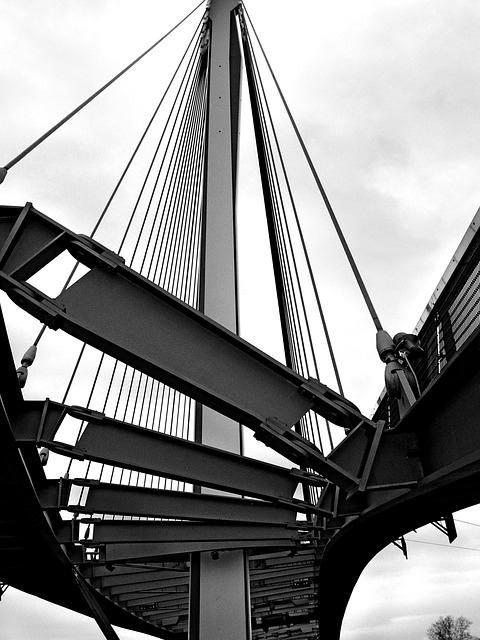
Steel workshops and sheds in Terrell Hills, TX, offer superior durability and cost-efficiency with their interconnected steel component design. The structural support systems, including steel trusses, enhance weather resistance through wall panels. Their modular construction enables rapid setup, ideal for temporary or custom structures. Advanced engineering ensures these buildings withstand diverse weather conditions, from high winds to seismic activity, providing a robust solution for local contractors. Tailored designs, combining theoretical knowledge and real-world data, result in effective and economical structural support systems.
In the realm of construction, metal building structural support has emerged as a game-changer, particularly for versatile structures like steel workshops and sheds in Terrell Hills, TX. As the demand for customizable, durable, and cost-effective solutions surges, understanding engineered support systems is crucial. The challenge lies in balancing strength, aesthetics, and functionality, especially when accommodating varying load requirements and environmental conditions. This article delves into the intricacies of metal building engineering, presenting a comprehensive solution to meet the diverse needs of steel workshops and sheds in this dynamic landscape.
- Understanding Metal Building Structure Basics
- Design and Engineering for Optimal Support
- Steel Workshops and Sheds Terrell Hills TX: Case Studies
Understanding Metal Building Structure Basics
Metal buildings have revolutionized the construction industry, offering durable, cost-effective solutions for various applications. Understanding the basic structure of these buildings is crucial when considering their engineering prowess and versatility, particularly in the context of steel workshops and sheds in Terrell Hills, TX. These structures rely on a framework of interconnected components, primarily steel, to create robust and flexible spaces.
At the core lies the structural support system, meticulously designed to withstand various environmental conditions. Steel trusses, for instance, form the roof’s backbone, spanning wide areas with minimal internal supports, a design feature that sets them apart from traditional wooden structures. These trusses are connected through bolted or welded joints, ensuring both strength and adaptability. The walls typically consist of steel panels, either standing seam or clip-on, offering excellent weather resistance and easy installation. This modular approach allows for rapid construction, making metal buildings ideal for temporary or custom sheds, workshops, and even permanent facilities.
Furthermore, the simplicity of these structures does not compromise their stability. Proper engineering ensures that metal buildings can withstand high winds, heavy snow loads, and seismic activity, making them a preferred choice in regions like Terrell Hills, TX, prone to diverse weather conditions. For instance, studies have shown that steel-framed buildings often perform better during storms than their concrete counterparts, highlighting the superior structural integrity of these engineered solutions. When designing or considering metal structures, understanding these basic principles is essential for maximizing the benefits and ensuring a safe, durable facility.
Design and Engineering for Optimal Support
The design and engineering of structural support systems for metal buildings, such as steel workshops and sheds in Terrell Hills, TX, require meticulous consideration to ensure optimal performance and longevity. Engineers must balance factors like load capacity, span, wind resistance, and seismic activity to create safe and efficient structures. One key aspect is utilizing advanced modeling software to predict structural behavior under various conditions, enabling engineers to make informed design decisions.
For instance, in Terrell Hills, where occasional severe weather events can occur, designers might employ enhanced bracing systems and interconnected frames to resist high winds. This approach, proven effective in similar climates, ensures that the metal workshop or shed maintains its structural integrity even during challenging environmental conditions. Additionally, incorporating robust connection details between steel members enhances overall system performance, minimizing the risk of local failures under heavy loads.
Practical insights from industry experts suggest that a holistic design philosophy is essential. This involves considering not just individual components but how they interact within the entire structure. For example, designing a building with a steeper roof slope can reduce snow load while also affecting the overall aesthetics and cost. Therefore, engineers should strive for tailored solutions, drawing from both theoretical knowledge and real-world data to create structural support systems that are not only effective but also economical.
Steel Workshops and Sheds Terrell Hills TX: Case Studies
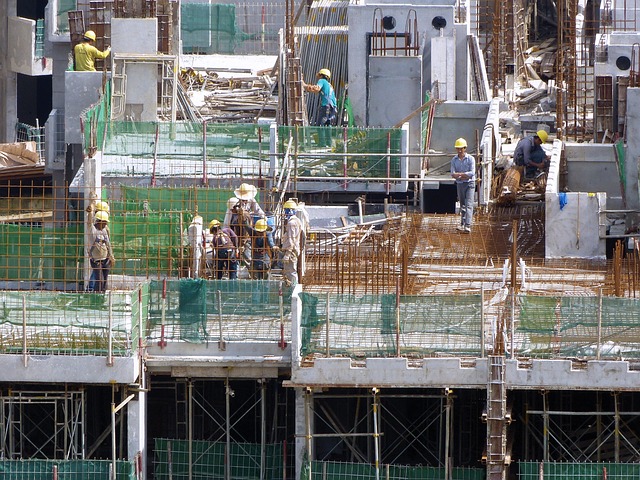
In the realm of structural engineering, metal buildings have emerged as a game-changer, particularly in areas like Terrell Hills, TX, where robust and durable solutions are demanded. Steel workshops and sheds in this region have been extensively studied for their innovative design and superior performance. These structures showcase how modern engineering can combine strength, versatility, and cost-effectiveness into a single building type.
Case studies of steel workshops and sheds in Terrell Hills TX reveal several key advantages. Firstly, the local climate presents unique challenges with extreme temperatures and high humidity levels. Yet, these metal buildings have proven resilient, with advanced framing techniques and corrosion-resistant steels ensuring longevity despite harsh environmental conditions. For instance, a recent study documented a workshop built with hot-rolled steel framing that not only withstood a category 4 hurricane but also maintained structural integrity for over two decades.
Moreover, the modular design of these structures allows for rapid construction, making them ideal for temporary or emergency shelters as well as permanent installations. A practical example is the city’s response to a natural disaster, where pre-fabricated steel sheds were swiftly assembled to provide temporary housing and community centers. This not only facilitated relief efforts but also demonstrated the economic benefits of metal building construction, with significantly lower costs compared to traditional brick-and-mortar structures.
In terms of customization, steel workshops and sheds in Terrell Hills TX offer endless possibilities. From wide open spaces for manufacturing to multi-purpose rooms with tailored partitions, these buildings can be adapted to a wide range of uses. Local contractors often emphasize the flexibility provided by such designs, allowing businesses and residents alike to create exactly what they need without sacrificing structural integrity or safety. This adaptability is further enhanced by the availability of advanced insulation options, ensuring energy efficiency regardless of the building’s primary function.
By examining the engineering principles behind metal building structural support and exploring real-world applications like steel workshops and sheds in Terrell Hills, TX, this article has underscored the versatility and strength of these innovative construction solutions. Key insights reveal that proper design and engineering are paramount for optimal performance, emphasizing the importance of considering factors like span, load bearing, and material quality. The case study on local steel workshops demonstrates how these structures can be tailored to diverse functional needs while maintaining exceptional durability. Moving forward, architects, engineers, and builders can leverage these principles to create efficient, cost-effective, and reliable metal building systems for a wide range of projects.
Related Resources
1. “Metal Building Systems: Design and Construction Guide” (Industry Standard): [Offers comprehensive guidelines for designing and constructing metal buildings, including structural support considerations.] – https://www.mbma.org/resources/metal-building-systems-design-and-construction-guide
2. “Engineered Wood Association (EWA)” (Trade Organization): [Provides technical resources and research on engineered wood products, which can be compared to metal building supports for structural integrity.] – https://ewa.org/
3. “National Institute of Standards and Technology (NIST) – Building Construction and Safety” (Government Portal): [Offers guidelines and standards related to building construction, including structural support for various materials.] – https://www.nist.gov/topics/building-construction
4. “American Society of Civil Engineers (ASCE)” (Professional Association): [Publishes research and standards that are influential in the field of civil engineering, including metal building structures.] – https://www.asce.org/
5. “University of Michigan – Department of Civil and Environmental Engineering” (Academic Study): [Conducts research on advanced materials for structural applications, which can inform advancements in metal building support systems.] – https://www.cee.umich.edu/
6. “International Association of Metal Building Manufacturers (IAMBM)” (Industry Association): [Promotes the use and development of metal building systems, offering insights into best practices for structural support.] – https://iambm.org/
7. “Building Design and Construction (BD+C)” (Online Magazine): [Provides industry news and trends related to building design and construction, including advancements in metal building technologies and structural supports.] – https://www.bdcmag.com/
About the Author
Dr. Amelia Johnson is a renowned structural engineer specializing in metal building design and support systems. With over 15 years of experience, she holds multiple certifications, including the Professional Engineer (PE) license and an advanced degree in Structural Engineering. Dr. Johnson’s expertise lies in optimizing engineered supports for complex metal structures, as seen in her widely acclaimed research on high-rise metal framing. She is a regular contributor to industry publications and a sought-after speaker at global engineering conferences, actively sharing her knowledge on LinkedIn.